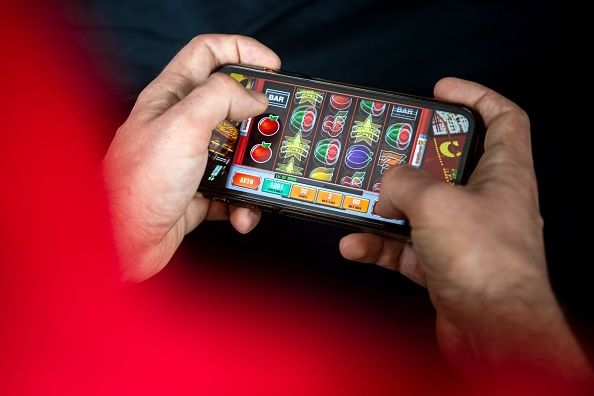
The world of online gaming has undergone a profound transformation, not just in terms of graphics, gameplay, and technology, but in how it shapes social interactions. What was once a solitary experience has grown into a complex social ecosystem where players across the globe form friendships, communities, and even entire cultures. In this article, we’ll explore how slot online terpercaya games have become more than just entertainment – they’ve become virtual spaces where human connections are forged, tested, and celebrated.
The Social Nature of Modern Games
Online games today are designed with social interaction at their core. Multiplayer games, such as Fortnite, League of Legends, and World of Warcraft, encourage players to collaborate, compete, and communicate in real-time. Players aren’t just immersed in the game world – they’re immersed in a shared social environment. Through voice chat, text communication, and in-game gestures, players interact with others as they accomplish in-game objectives.
The focus has shifted from isolated gaming sessions to forming lasting friendships and building communities. Guilds in World of Warcraft, clans in Call of Duty, and squads in Apex Legends represent the modern evolution of gaming’s social aspect. These groups go beyond in-game achievements – they form social networks that extend into players’ real lives. Events like game tournaments or social gatherings (like Minecraft conventions) show the breadth of how gaming communities form.
A Virtual Identity and Sense of Belonging
In many online games, players create avatars or characters that represent them in the game world. This identity allows players to express themselves creatively and adopt different personas. The virtual representation of oneself is often more malleable and personalized than the real world, offering a space to try new things or escape reality.
For some, these avatars become more than just characters; they are a form of self-expression and a means of exploring identity. In The Sims or Second Life, the boundaries between virtual lives and real lives blur, and players can experience a sense of belonging in a way that may be absent in their offline social circles. This phenomenon also supports diverse forms of social interaction, from cooperative team play to forming romantic relationships in virtual spaces.
Creating Real-World Connections
The concept of “gaming friendships” has evolved over the years. What began as brief in-game exchanges now leads to real-world friendships. Players form bonds over shared experiences, overcoming in-game challenges together, and participating in community-driven events.
Many online friendships transition to real-world relationships. Players meet each other in person, create travel plans to meet at gaming conventions, or even work together on projects. The COVID-19 pandemic, where in-person interactions were limited, gave rise to the concept of online gaming as a primary way of staying connected with friends and family. In this sense, online gaming became not just a form of escape but a lifeline for social connection.
Impact on Mental Health
Despite the potential for positive socialization, the online gaming community also faces challenges. Issues like toxic behavior, cyberbullying, and online harassment can tarnish the gaming experience. However, many games and platforms have implemented anti-harassment policies, moderation tools, and ways for players to report inappropriate behavior.
On the flip side, online gaming has been credited with offering therapeutic benefits. Many players use games as a coping mechanism for stress or as a way to improve their mental health. Online gaming provides an environment where individuals can be part of something larger than themselves, escape from the pressures of the real world, and build supportive social networks. This is particularly beneficial for people who may find it difficult to form relationships in person, such as those with social anxiety or other mental health struggles.
The Future of Social Interaction in Online Games
The future of social interactions in online games is bound to evolve with emerging technologies. Virtual reality (VR) and augmented reality (AR) offer opportunities to further deepen the immersion and social experiences of online gaming. VR games, like VRChat, allow players to communicate and socialize in fully immersive, 3D environments, while AR games like Pokémon GO blend the real and virtual worlds, encouraging social interaction in physical spaces.